

The number of new coronavirus under the microscope is amazing.
2020-02-24
China News Network
Jonny.
Researchers at the University of Hong Kong released images of the first batch of novel coronaviruses in cells on January 31.
The researchers say that more than a thousand virions are derived from each virus-infected cell.
With the efforts of researchers, this new virus that caused tens of thousands of people to infect is gradually being unveiled.
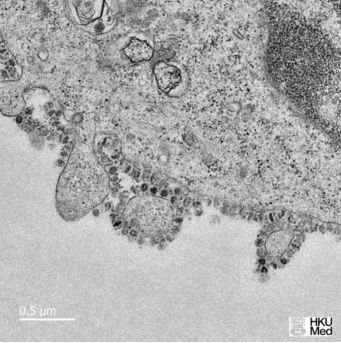
HKU electron microscope image shows novel coronavirus growing in cells
Publish virus replication process
-- More than a thousand virions derived from infected cells
According to Hong Kong's "Oriental Daily" report on February 1, Li Guosi (John Nicholls), a professor of clinical medicine in the Department of Pathology of the University of Hong Kong, and Professor Pan Liewen and Pei of the School of Public Health of the University of Hong Kong School of MedicineMalikPeiris observed the growth of the new coronavirus by culturing infected cells.
A thin-section electron micrograph of the novel coronavirus shows virions released from the surface of infected cells.
Lai said that each infected cell will derive thousands of virus particles, so as to continue to infect new cells.
The researchers also studied samples of the virus at different growth times to get a clearer picture of how the virus replicates and compared it to other coronaviruses.
According to Bloomberg, Mr. Lai was one of the members of the Hong Kong team that isolated and identified the SARS virus. Li Guosi said that he is willing to share relevant information with researchers around the world who have not yet obtained the new coronavirus strain.

New Coronavirus Wuhan Strain 01 Photo Source: National Pathogenic Microorganism Resource Bank
What new research?
Coronaviruses are a large group of viruses known to cause illness in patients with clinical symptoms ranging from the common cold to severe lung infections, such as Middle East Respiratory Syndrome (MERS) and Severe Acute Respiratory Syndrome (SARS).
The new coronavirus 2019-nCov discovered in Wuhan is a new type of coronavirus that has not been found in humans before.
At present, what new progress do we have in our research on it?
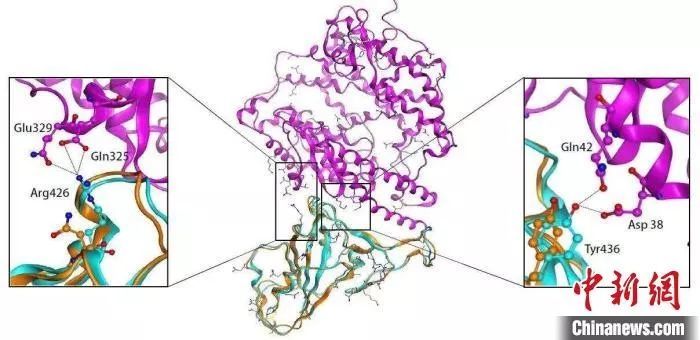
Computer Model: Schematic Diagram of Binding between Virus S Protein and Human ACE Ⅱ Protein
-- About the intrusion mechanism
Viral infection of host cells can be divided into three steps:
Invasion-the virus replicates in the host cell (including viral genome replication and viral protein synthesis)-the synthesized viral genome and viral protein assemble to form nascent viral particles, which leave the host cell and then infect other host cells.
Decoding the mechanism of virus invasion into host cells can guide the design of drugs, antibodies or vaccines for prevention and control.
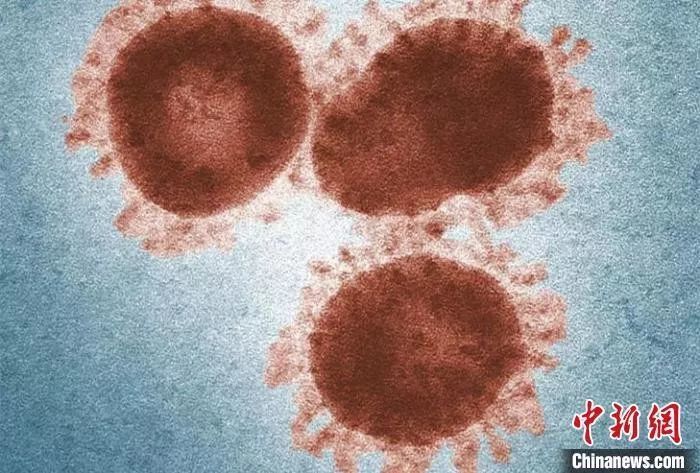
SARS Coronavirus under Microscope Photo courtesy of Shanghai Pasteur Institute of Chinese Academy of Sciences
In terms of invasion mechanism, according to a recent report by China Science Daily, scientists at the Chinese Academy of Sciences have discovered that the cell receptor for the new coronavirus invasion is the same as the SARS-CoV( SARS coronavirus, editor's note) receptor, which is ACE2.
Now, it has been initially found that the binding force of the new virus to the receptor is slightly stronger than that of the SARS-CoV. Scientists are studying the binding ability of the new coronavirus to ACE2 molecules from different species and exploring the intermediate hosts that the virus may use when spreading.

New coronavirus Wuhan strain 02 photo from the National Pathogenic Microorganism Resource Bank
-- about variation
Coronavirus is now known to have the largest genome of RNA viruses, compared to humans using DNA as genetic material, its RNA genome replication fidelity is relatively poor, prone to produce more variation.
Cao Bin, executive vice president of the Institute of Respiratory Diseases of the Chinese Academy of Medical Sciences, said a few days ago that no obvious variation has been found in the viruses isolated from the human body and the environment.
However, the longer the epidemic period, the greater the possibility of mutation. Virologists and epidemiologists will continue to closely monitor the new coronavirus, and shortening the epidemic period is the key to reducing the risk of virus mutation.
Experts from the Chinese Academy of Sciences also said that they are analyzing more complete genomic variation to track possible mutations in the virus during transmission.
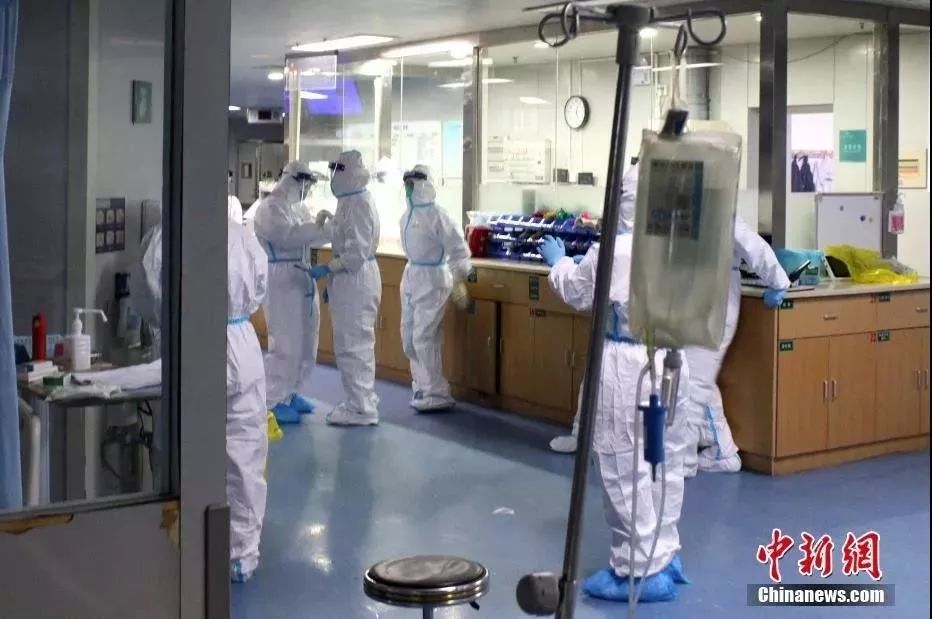
New type of lung heavy patients admitted to Zhongnan Hospital of Wuhan University Photo by Zhou Qunfeng, China News Agency reporter
-About drugs
Shi Yi, a researcher at the Institute of Microbiology of the Chinese Academy of Sciences and deputy director of the Key Laboratory of Pathogenic Microbiology and Immunology of the Chinese Academy of Sciences, said in an interview with China Science Daily that by comparing the virus polymerase protein genes of 2019-nCoV and SARS-CoV, scientists found that they are very similar. High, above 90%.
Shi also said that about 50 potentially active compounds have been screened for polymerase through computer virtual screening methods, and are preparing to test and verify their activities.
Among the 50 compounds, one compound called ritonavir is an anti-AIDS drug. Recently, researchers at the Wuhan Institute of Virology have confirmed that it has antiviral effects at the cellular level, and its subsequent clinical use is being approved by relevant procedures.
Scientists also hope to find more old drugs already in use in hospitals, which can be used for clinical treatment more quickly.
In addition, on January 31, a paper in the medical journal New England Journal of Medicine disclosed that the first case of new coronary pneumonia in the United States was treated with the drug, and the symptoms improved the next day after the 7th day of hospitalization.
However, the drug company says the drug is not on the market and is working with Chinese health authorities.
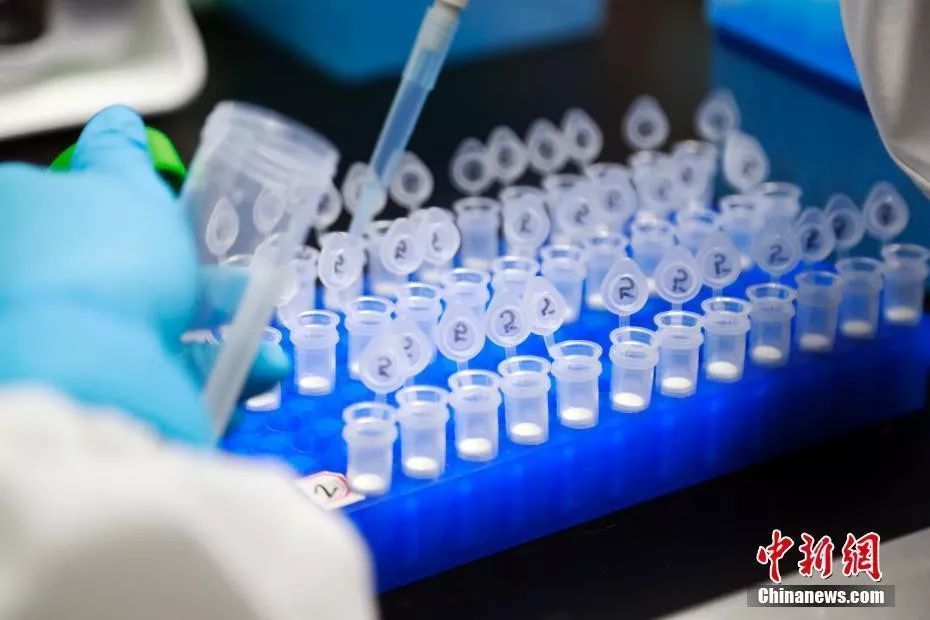 On February 1, researchers demonstrated the experimental process of developing a new coronavirus mRNA vaccine, photographed by Tang Yanjun.
-About vaccines
Recently, some media quoted Li Lanjuan, a member of the high-level expert group of the National Health Commission of China and an academician of the Chinese Academy of Engineering, and concluded: "The successful development of the vaccine will take at least three months."
Li Lanjuan then explained that "three months" is only the initial research and development time, such as cultivating vaccine strains, testing and verification, and there is still a long way to go for the new pneumonia vaccine to go to the market.
In terms of vaccine research, the Wuhan Institute of Virology of the Chinese Academy of Sciences is carrying out antiviral drug screening, animal model establishment, and vaccine development for novel coronavirus infection.
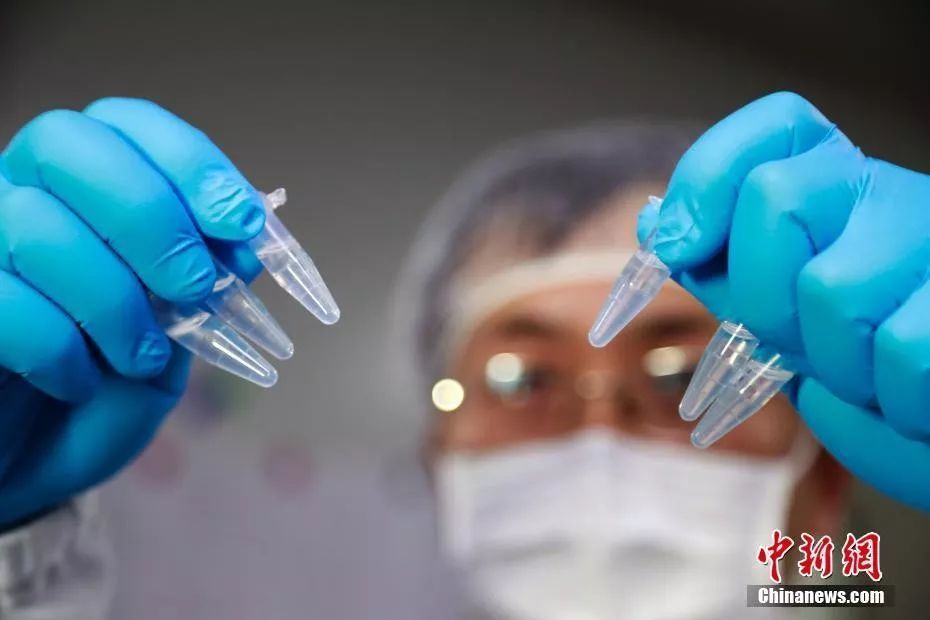
Researchers are demonstrating the experimental process of developing a new coronavirus mRNA vaccine. Photo by Tang Yanjun
The Chinese Center for Disease Control and Prevention is also developing a vaccine. It was the center that made the first new coronavirus strain in the world, laying the foundation for the development of a vaccine.
Domestic and foreign enterprises, institutions have also joined. For example, the Translational Medicine Platform of the Oriental Hospital affiliated to Tongji University has cooperated with Swei (Shanghai) Biotechnology Co.
Johnson & Johnson announced that it will use the same technology used in the company's laboratory to study Ebola virus vaccines to develop candidate vaccines for the new coronavirus.
The National Institutes of Health also stated that the first phase of the National Institutes of Health vaccine clinical trials may begin within three months.
Related News

Nanjing Pratt Biotechnology Co., Ltd.
-
Address: 3rd Floor, Building 6, 123 Houjiao Road, Jiangning District, Nanjing
Telephone: 025-52715975
+86 17749585716Mailbox: lzb@predicte.cn
Contact: Mr. Liu Zhibin
Copyright 2024 Nanjing Purite Biotechnology Co., Ltd. All Rights Reserved